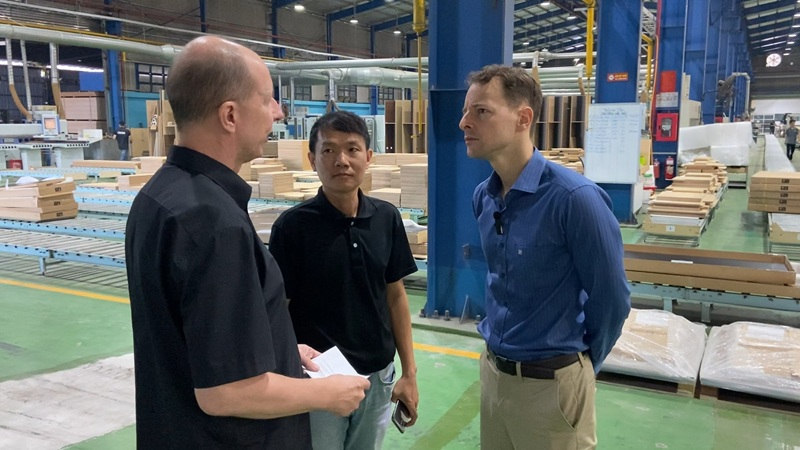
Most teams picking a manufacturer in Vietnam still filter factories with the same simple list:
- Can they make my product?
- What’s the unit price?
- Do they export already?
- Do they have any certificates?
Those basics matter. But in real projects, they are almost never the reason things fail.
The real problems appear later: the owner is scared of foreign contracts, your RFQs are ignored, capacity disappears in peak season, there’s no real problem-solving when quality drifts, or the factory cannot cope with the level of traceability your customers now expect.
This is where the overlooked criteria make or break your Vietnam strategy.
Below are 12 factors we always dig into when we scout factories in Vietnam for clients at FVSource. They go beyond “can you make this?” and help you tell the difference between a nice quote and a reliable long-term partner.
How the Owner Thinks
Most Vietnamese factories are still owner-led. The owner’s mindset is one of the best predictors of what your life will look like six months into the relationship.
Some owners are entirely focused on keeping machines busy and taking any order that fills capacity. They agree to almost anything in the first meeting, then quietly cut corners when reality hits. Others think in terms of product, reputation, and process. They know where they want the factory to be in three to five years and treat the right foreign customers as strategic partners, not just cash-flow.
When you meet them, pay attention to what they talk about:
- Do they ask questions about your market, your brand, and your long-term plan, or only about next month’s order?
- Do they describe how they’ve grown with anchor customers, or mostly talk about one-off deals and opportunistic projects?
- When you bring up investments in tools, testing, or new processes, do they have a clear logic for deciding, or do they immediately retreat to “too expensive”?
A technically strong factory with a short-term, transactional owner almost always becomes frustrating once the first honeymoon orders are over.
Where You Sit in Their Customer Portfolio
“Do you export to the US or EU?” is the question everyone asks.
The better question is: “Where would we sit in your priority list?”
Every factory has a mix of big anchor customers, a group of medium accounts, and a tail of small or irregular orders. If you are far smaller than their main accounts, you risk losing capacity and attention when things get busy. If you are much larger than anything they have handled, you risk overloading their systems.
You want to be important but not overwhelming.
Ask them who their main customers are, what share of turnover they represent, how long those relationships have lasted, and what they would do if demand from several big customers peaked at the same time. You are not just buying press time or sewing time; you are buying a place in their hierarchy.
Export Readiness and Cultural Fit
Here is a very Vietnam-specific reality:
Many capable factories are cautious – even afraid – of foreign customers.
Foreign buyers are often surprised that:
- Intro emails and offer letters are ignored.
- Sample requests go nowhere.
- A factory that was enthusiastic in person suddenly goes quiet once a contract draft arrives.
This is rarely about capacity alone. It is a mix of language, culture, and past experience.
Some owners are nervous about contracts in English, large foreign claims, or compliance requirements they don’t fully understand. Sales staff with limited English skills are afraid of “losing face” on calls. Others have been burned by buyers who asked for endless quotes and samples and never placed real orders, so they now treat new foreign enquiries with suspicion.
When you evaluate export readiness, look beyond whether they “export somewhere”. Notice:
- How quickly and clearly they respond to your very first enquiry.
- Whether someone senior is willing to get on a video call and discuss your brief in detail.
- Whether they ask you thoughtful questions about your channel, quality expectations, and labeling, or reply with a one-line price and nothing else.
You are not only judging whether they can make your product. You are judging whether they are mentally ready to treat overseas work as a core part of their business. Factories that are open, curious, and proactive about bridging the cultural gap will be much easier to build with than those that remain reserved and distant.
One practical way to bridge this cultural gap is to work through a local, buyer-side agency that both sides trust. A local team can speak to the factory in Vietnamese, explain your expectations in a way that feels safe, filter out “tourist enquiries” so the factory doesn’t waste time, and reassure them that the project is real. For you, that same team can translate not just language, but intent: what the owner is worried about, where they are confident, and how far they are willing to stretch.
This is exactly where a partner like FVSource adds value. We sit between international buyers and Vietnamese manufacturers as a kind of lubricant: we pre-qualify factories that are ready for serious export work, frame your requirements in a way local owners are comfortable with, keep communication flowing when things get sensitive, and make sure both sides understand not only what has been agreed, but why. That dramatically increases the chances that a technically good factory becomes a workable long-term partner instead of another unanswered email thread.
New Product Introduction: Can They Industrialise Your Design?
Most buyers check if the factory can produce a product that already exists. Fewer check how the factory behaves when things are not fully defined yet.
If you are launching new products, custom versions, or regularly tweaking designs, you need a partner that can run a proper sample → pilot → mass production process, not just “we try and see”.
Signs of a healthy new product introduction approach include:
- Clear steps and responsibilities from drawing review to pilot run.
- A habit of challenging unclear specifications instead of quietly guessing.
- Trials where they measure cycle time, scrap, and quality, and then adjust the process before full orders.
In Vietnam, you will meet many factories that say “no problem” as a default answer. The ones you want are the ones who are willing to say “we need to check that first” and slow down at the beginning so you don’t bleed later.
Process Control, Quality Team, and Problem-Solving
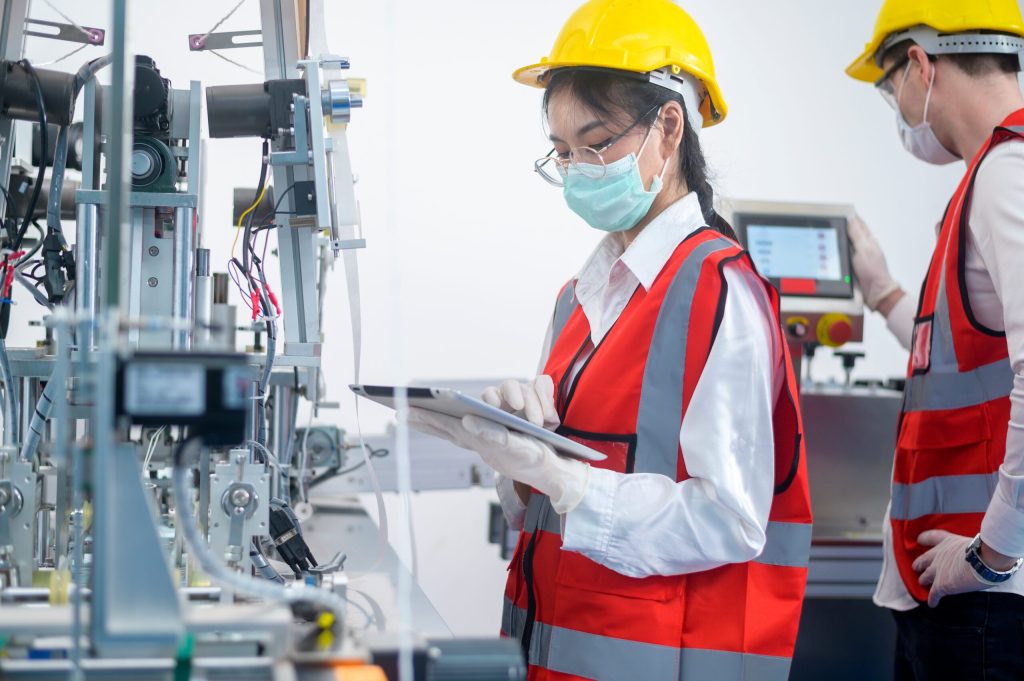
Certificates on the wall tell you almost nothing about how the factory reacts when something goes wrong.
What matters is the combination of basic process discipline and a quality team with real influence.
On the shop floor, you can already see a lot:
- Are there clear work instructions at each station, and are they actually used?
- Do operators know what “good” looks like, or do they just rely on a final checker to catch mistakes?
- When you ask supervisors about recent issues, can they explain what happened and what they changed?
Ask to meet the quality manager properly, not just shake hands. Does this person report directly to a senior leader, or are they buried under production? Can they show you real examples of blocked shipments, customer complaints, and what they did about them? Are they allowed to stop production if something is out of tolerance?
Factories where quality is a checkbox at the end of the line will happily pass problems downstream to you. Factories where quality is part of daily management will make fewer mistakes and will recover faster when they do.
Depth and Fragility of Their Own Supply Chain
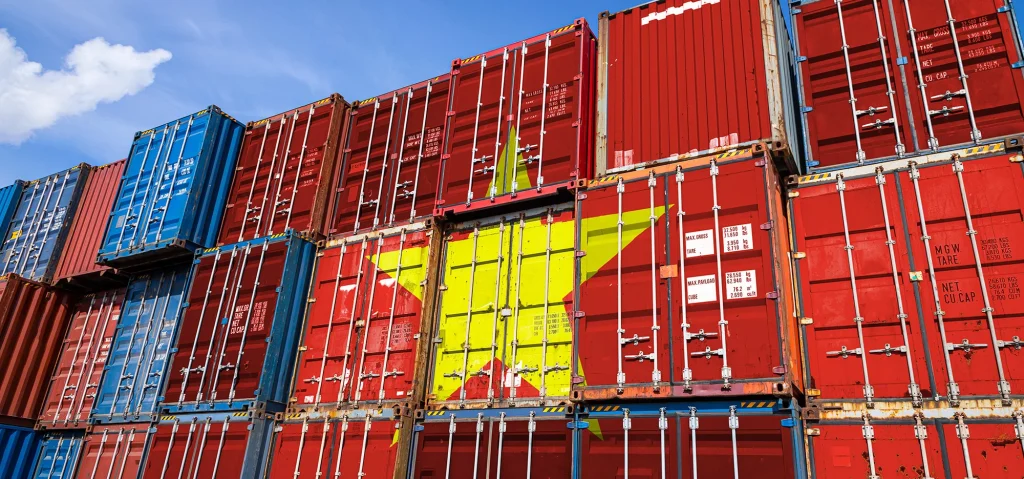
Choosing a contract manufacturer in Vietnam means choosing their upstream network as well: printers, metal service centres, finishing shops, fabric mills, foam suppliers, packaging converters, and often Chinese component vendors.
Two hidden risks are common:
First, over-dependence on one or two Chinese sub-suppliers. Your product might ship from Vietnam, but the critical parts still flow through China, leaving you exposed to the same disruptions and duty risks you were trying to avoid.
Second, a local chain that is too shallow. If there is only one qualified coater, plater, or specialty material supplier in the area, any problem there becomes your problem.
During due diligence, map at least the key items: where do they come from, how many sources exist, and which ones truly control your lead time and origin status? A factory that actively manages this network and has realistic backup plans will ride out shocks much better than one that buys everything day-to-day based on the lowest price.
Documentation, Traceability, and Data Discipline
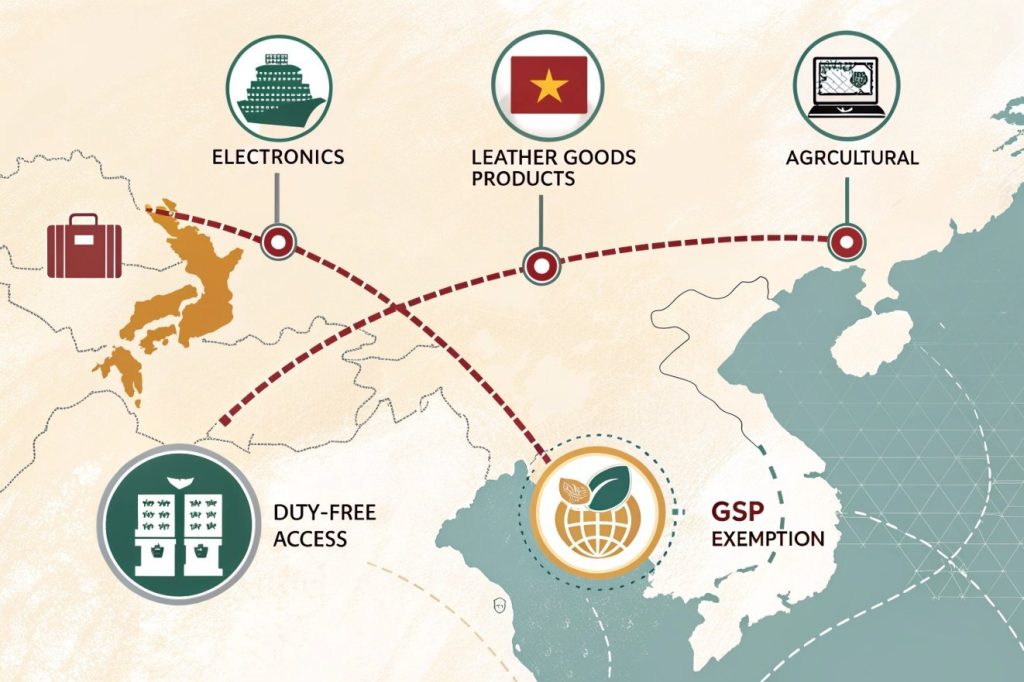
As customers and regulators tighten expectations, documentation stops being an “audit day” exercise and becomes part of daily operations.
You want to know whether the factory can:
- Trace a finished batch back to specific incoming lots and dates.
- Produce inspection records, test results, and material certificates that actually match what is in front of you.
- Store and retrieve records in a structured way, not in random piles or on individual laptops.
With new rules, especially in Europe, you will increasingly have to show not only that the product meets technical standards, but also where materials came from and how they were processed. That requires discipline: consistent codes, legible handwriting, simple systems that workers can use, and a management team that cares enough to enforce them.
Ask them to walk you through a recent shipment: from customer order, through production, to final packing, including the paperwork behind it. The speed and clarity of that walkthrough will tell you if they are really ready for the next wave of traceability, or if they are just passing audits by brute force.
Financial Health and Willingness to Invest
A factory can look good on the day you visit and still be financially fragile.
You do not need full access to their books, but you do need to understand whether they can:
- Survive slow periods without slashing staff or cutting corners.
- Finance necessary tools, fixtures, and machines for your projects.
- Handle large orders under long payment terms.
Good questions include what major investments they have made in the last few years and why, how they handled shocks like COVID or freight spikes, and what they would need to invest if your volumes doubled.
Listen for answers that show planning and realism, not just optimism. A partner who is barely keeping the lights on will shift their problems onto you sooner or later.
Real Capacity and Peak-Season Behaviour
Every factory can write a big monthly capacity number on a slide. The question is what happens when everyone wants that capacity at the same time.
Vietnam’s manufacturing cycles still tend to cluster around export seasons, large retailer calendars, and, in some sectors, pre-Tet rushes. If your key shipping windows are the same as their other customers’, you need to understand how they allocate space, people, and overtime.
Ask them about their busiest month last year: what went wrong, how late orders were, what they changed afterwards. Get a feel for how often they run heavy overtime and whether “emergency overtime” is really just their normal way of coping.
A factory that can talk honestly about these things is more likely to manage your peaks responsibly. One that says “no problem, always on timne” without any nuance is probably hiding the strain.
Communication Style and Transparency When Things Go Wrong
A lot of buyers test English level and speed of reply during RFQ. That’s only the surface.
The real test is how the factory communicates when there is an issue: a quality drift, a delayed component, a port problem, a failed test. In Vietnam, where people are generally polite and conflict-avoiding, there is a strong tendency to delay bad news in the hope it can be fixed quietly.
Some factories will say nothing until delay is unavoidable, then inform you at the last minute that “shipment must move one week”. Others will flag the risk early, share photos or data, and present options so you can decide what to do.
This links back to export readiness and cultural fit. A factory that is still uncomfortable with foreign customers is less likely to be open when problems appear. You need partners who treat you as an adult: they share problems early, even if it means a difficult conversation, and they co-own the solution instead of avoiding blame.
For example, you can see this behaviour during sampling: how they respond when you point out defects, how they handle misunderstandings in drawings, whether they document agreements after a call.
Flexibility on MOQ, Changeovers, and Mixed Orders
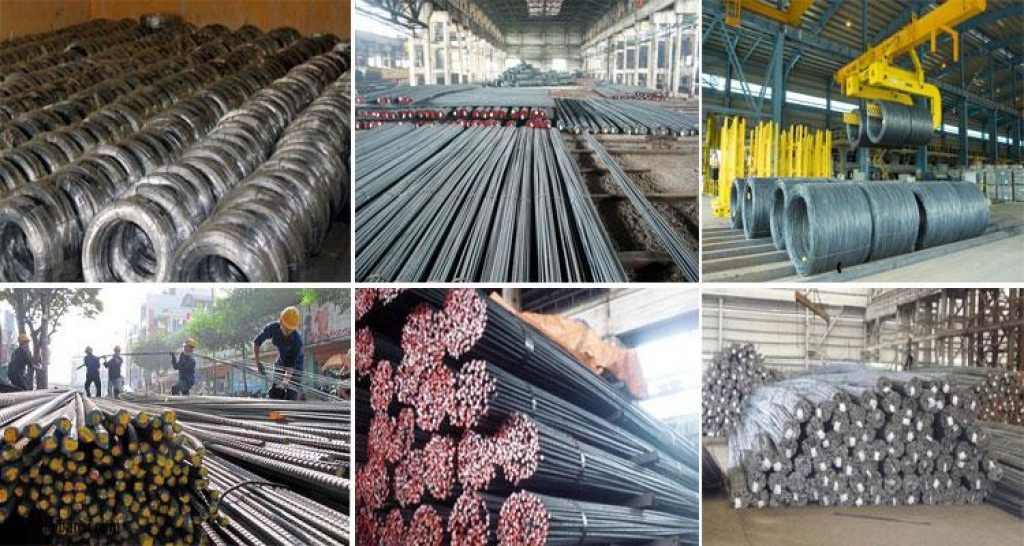
Not every business runs on massive, stable orders. Many brands and B2B suppliers need shorter runs, more variants, and frequent refreshes. In that reality, factory flexibility can have more impact on your total cost than a few cents difference in unit price.
Explore how the factory thinks about batch size, changeovers, and variant management. For example, how they handle size and colour splits in garments, or small graphic changes in packaging. Are they locked into very large minimums because of their own suppliers, or can they work with you on more realistic quantities?
You want a partner who is honest about their constraints but willing to think with you: maybe by grouping orders, adjusting planning, or using more flexible upstream suppliers. A rigid factory may offer a nice low price but will force you into carrying months of extra inventory and accepting higher write-offs.
Commercial and Ethical Alignment: How They Make Their Money
The last overlooked criterion is simple but powerful: does everyone in the chain make money in a way that supports the behaviour you want?
If the factory only makes money when machines are running at maximum volume, it will always push for bigger, earlier orders, even when that is bad for your inventory. If your agent or “partner” is paid quietly by the factory inside the unit price, their true client is not you.
A healthier setup is one where:
- The factory earns a fair margin on well-planned, repeatable work.
- You have a clear view of what drives cost and can work jointly on improvements.
- Any sourcing or operations partner is paid by you, with no hidden commissions from the factory.
That alignment changes conversations. It allows everyone to talk openly about yield, scrap, productivity, and realistic MOQs, rather than hiding issues to protect a fragile margin.
At FVSource, we deliberately sit on the buyer’s side of the table: we act as your independent, on-the-ground technical sourcing team in Vietnam and Asia, paid by you, not by the manufacturers. That lets us push factories on the things that truly matter for your business – process, quality, transparency, and long-term cost – without having to defend their price.
Bringing It All Together

Choosing the right contract manufacturer in Vietnam is not a question of “who is cheapest” or “who already exports”. It is a question of:
- How the owner thinks and where you sit in their world
- Whether they are culturally and commercially ready for serious foreign work
- How they handle new products and inevitable problems
- How deep and fragile their own supply chain is
- Whether their systems can cope with the traceability your customers will expect
- And whether incentives across the chain point in the same direction as your long-term interests
You can’t see all of that from a spreadsheet or a brochure. It takes structured visits, the right questions, and someone on the ground who understands both the buyer’s expectations and the Vietnamese context.
If you’re at the stage where you have a shortlist of “maybe” factories in Vietnam but aren’t sure who can really deliver, we can help you turn this framework into action — FVSource can quietly audit your options on the ground, stress-test them against our benchmark, and come back with a clear recommendation and ramp-up plan you can take to your board.